Enhance Your Home with a Fly Screen for Patio Doors
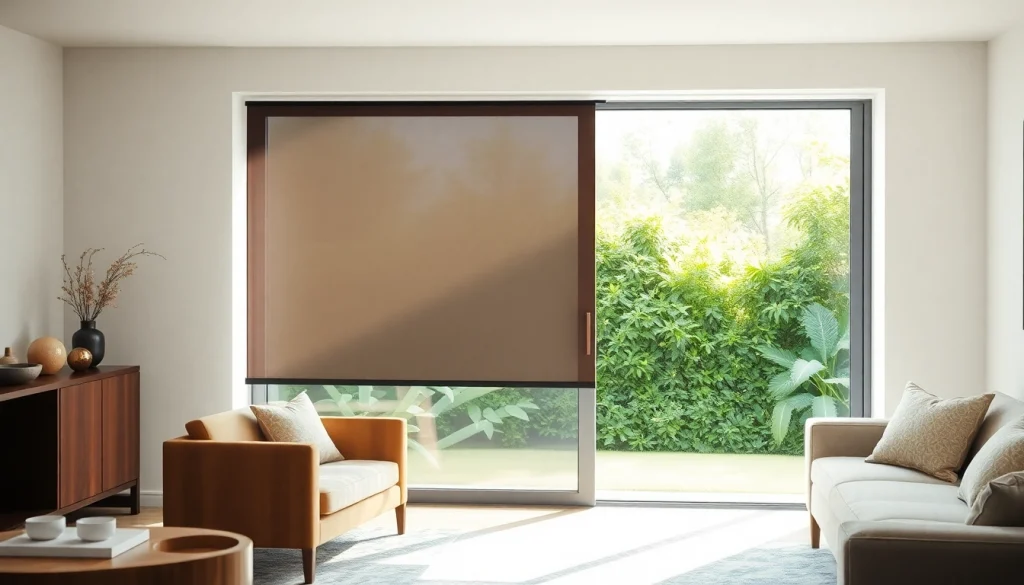
Understanding Fly Screens for Patio Doors
What is a Fly Screen for Patio Doors?
A fly screen for patio doors is a specially designed mesh barrier that allows fresh air to circulate while preventing unwanted insects from entering your home. These screens are typically made from lightweight materials such as fiberglass or aluminum and can be custom-fitted to match specific door dimensions. The screens are an essential addition for homeowners looking to enhance indoor ventilation without compromising comfort. With a fly screen for patio doors, you gain the freedom to enjoy your outdoor space without the nuisance of bugs.
How Fly Screens Improve Home Comfort
Home comfort is vital, especially during the warmer months when windows and doors are left open to invite cool breezes. Fly screens serve a dual purpose: they enable airflow, enhancing indoor air quality, while simultaneously acting as a barrier to insects. By installing fly screens, homeowners can enjoy natural ventilation throughout the day without the constant annoyance of buzzing flies or mosquitoes. This capability not only improves physical comfort but also contributes to a more enjoyable indoor atmosphere for family gatherings, meals, or simply relaxing at home.
Types of Fly Screens Available
There are several types of fly screens available, tailored to fit different needs and preferences:
- Retractable Fly Screens: These screens can be rolled up neatly when not in use, maximizing visibility and accessibility.
- Fixed Fly Screens: Attached permanently to the door frame, fixed screens provide constant insect protection without any installation hassle.
- Magnetic Fly Screens: Designed for easy installation and use, these screens are secured with magnets that allow for simple passage while maintaining a secure barrier against insects.
- Sliding Pleated Fly Screens: These are especially popular for patio doors, offering a sleek design that folds neatly away when not in use.
- Customizable Fly Screens: Many companies offer customizable options to match your interior decor with various colors and frame styles.
Benefits of Installing Fly Screens
Insect Protection and Fresh Air Access
The primary advantage of installing a fly screen for patio doors is effective insect protection. Without a fly screen, it can be inviting for various pests to enter when doors are frequently opened. Bugs like flies, mosquitoes, and moths can compromise your comfort. Additionally, fly screens facilitate fresh air circulation, which is essential for maintaining a healthy indoor environment, particularly in homes that rely on natural ventilation.
Energy Efficiency and Cost Savings
Installing fly screens contributes to energy efficiency by reducing the reliance on air conditioning during hot months. With screens in place, homeowners can keep doors open, allowing cooler outside air to flow in, thus lessening the need for climate control. This change can lead to significant cost savings over time, as energy bills may decrease. Additionally, there is less wear and tear on your HVAC system, extending its lifespan and reducing the frequency of repairs.
Enhanced Aesthetic Appeal for Your Home
Fly screens come in a variety of styles and colors, allowing homeowners to select options that harmonize with their existing decor and enhance the overall aesthetic of their home. A well-designed fly screen can elevate the look of a patio area, making it not just functional but also visually appealing. Many modern solutions offer slim profiles and elegant finishes that complement contemporary architectural designs.
Measuring for Custom Fly Screens
Important Dimensions to Consider
To ensure a perfect fit for your fly screen, precise measurements are crucial. First, measure the height and width of the patio door frame. It’s essential to take several measurements at different points to account for any irregularities in the frame. Additionally, you should note the depth of the frame, especially if you are opting for a sliding or retractable screen that requires sufficient space for operation.
Tools Required for Accurate Measurements
Having the right tools will facilitate accurate measurements. You will need:
- A tape measure for measuring dimensions accurately.
- A pencil for making notes on your measurements.
- A level tool to ensure that your measurements are even.
- A step ladder, if necessary, to reach higher sections of your door frame.
Common Measuring Mistakes to Avoid
Accurate measurements are vital, and several common mistakes can lead to incorrect sizing:
- Not measuring at multiple points, which can highlight inconsistencies in the frame size.
- Failing to account for any obstructions like handles or locks.
- Not considering the overlap needed for the screen installation.
- Misjudging the depth of the frame required for certain screen types.
Installation Process of Fly Screens
Step-by-Step Installation Guide
Installing a fly screen can be a straightforward DIY task if you follow a step-by-step approach:
- Gather Tools and Components: Ensure you have all necessary tools (screws, drill, and brackets) and the fly screen kit ready.
- Prepare the Frame: Clean the door frame where the fly screen will be installed to remove any dust or debris.
- Measure and Mark: Using your measured dimensions, mark where the screen will sit on the frame.
- Install Brackets: Secure the brackets according to the manufacturer’s instructions, ensuring they are leveled.
- Attach the Screen: Fit the fly screen into the brackets, ensuring it opens and closes effectively.
- Test the Mechanism: Check the operation of the screen, confirming it rolls up and down smoothly without resistance.
- Final Adjustments: Make any necessary adjustments for a perfect fit and finish.
Tips for a Successful Installation
To achieve the best results during installation, consider the following tips:
- Follow the manufacturer’s instructions carefully for proper guidance and best practices.
- Work with a partner if possible to hold the screen in place while you attach it.
- Double-check measurements before cutting or making any permanent fixtures.
- Take your time during installation to ensure everything is lined up correctly and working effectively.
When to Seek Professional Help
While many homeowners can manage a fly screen installation, certain situations may warrant professional assistance. If your patio doors have complex dimensions, or if they are situated in hard-to-reach locations, hiring a professional can ensure the installation is done correctly. Additionally, if you are unsure about the installation requirements or lack the necessary tools, a professional can provide the expertise needed to ensure a seamless process.
FAQs About Fly Screens for Patio Doors
How do I clean and maintain my fly screen?
Regularly dust the screen and wash it with mild soap and water to keep it clean. Inspect for damage annually.
Can I choose different colors for my fly screen?
Yes, many suppliers offer color options for fly screens to match your patio door frames and decor.
Are fly screens weatherproof?
Most fly screens are designed to withstand various weather conditions, but it’s advisable to check specifications on durability.
Do fly screens reduce visibility?
Quality fly screens are designed to allow light and airflow while providing an unobstructed view when closed.
What is the lifespan of a fly screen?
With proper care, a fly screen can last several years, depending on the material and the usage conditions.