The Allure of Amber: Understanding Its Unique Formation and Beauty
An Introduction to Amber: Nature’s Fossilized Marvel
Amber is a unique and fascinating natural material that captures our imagination with its beauty and history. Considered one of nature’s masterpieces, this fossilized tree resin has been cherished for thousands of years. People have utilized amber for adornment, cultural purposes, and even traditional medicine, making it a multifaceted gem. From its origins in ancient forests to its significant roles across various civilizations, amber represents a link between our present day and the ancient Earth. To explore further into the wonders of this gemstone, let’s delve deeper into the intriguing world of amber.
What is Amber?
Amber is not merely a gemstone; it is fossilized resin that originated from the sap of ancient trees. Over millions of years, this tree resin underwent various stages of polymerization and curing, resulting in amber. Its beautiful hues, which can range from warm yellows to deep browns or even greenish tones, make it a prized possession for collectors and jewelers alike.
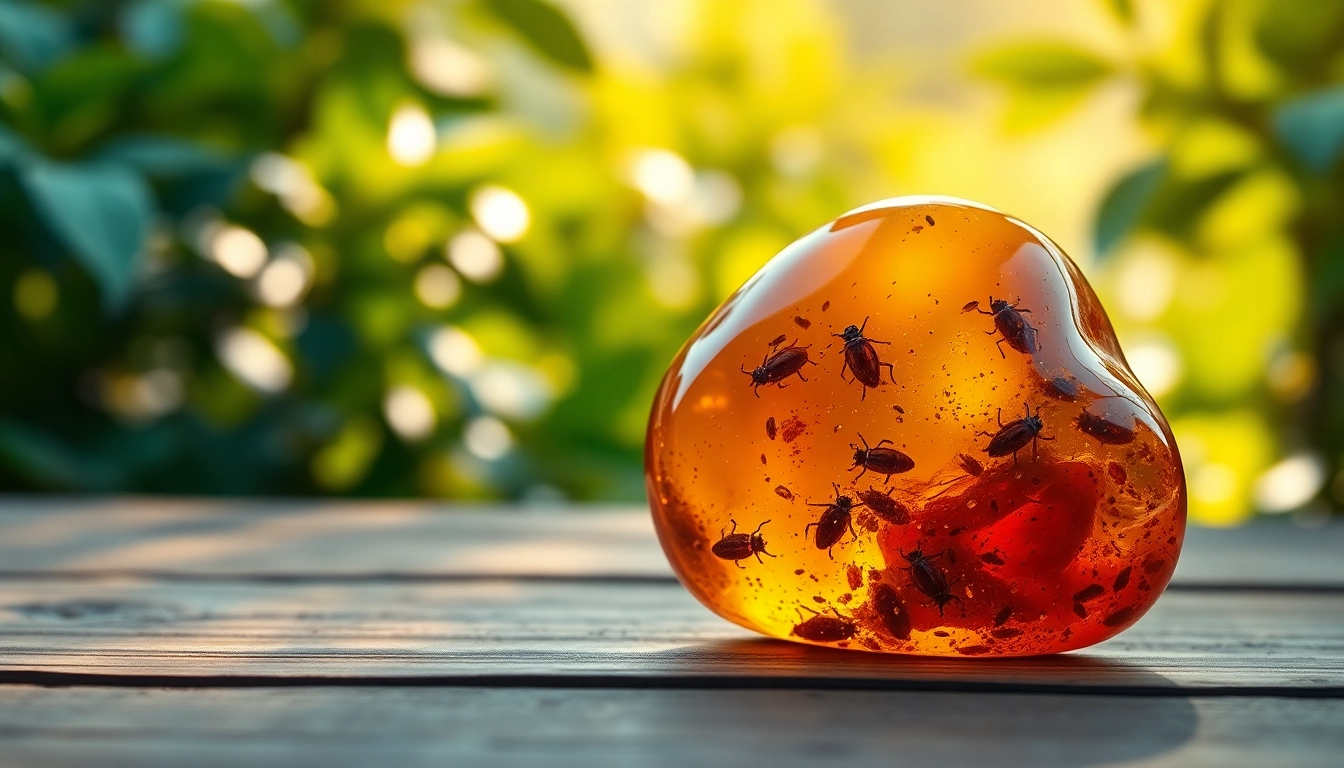
This organic gemstone is often referred to as a “time capsule,” as it frequently traps prehistoric insects, plant matter, and other organic materials within its translucent body. These inclusions tell stories of life from millions of years ago, providing a window into the ecosystems of the past.
The Formation Process of Amber
The formation of amber is a complex and lengthy process. Initially, resin is secreted by trees as a protective mechanism against injury or infection. Over time, this resin falls to the forest floor or becomes buried under sediment. As layers of earth accumulate, the resin experiences a transformation under pressure and heat, leading to the hardening and preservation of its structure.
This geological process can take anywhere from 30 million to 150 million years, depending on environmental conditions. Exposure to oxygen and microorganisms decreases as the resin becomes buried, allowing it to polymerize into amber. Once formed, amber can be found in various regions worldwide, with significant deposits noted in areas such as the Baltic Sea, the Dominican Republic, and more.
Types of Amber: From Baltic to Dominican
Amber exists in various forms, with some of the most notable types being Baltic amber and Dominican amber. Each type has distinct characteristics derived mainly from the tree species that produced the resin, as well as the age and geographical location of its deposits.
Baltic Amber
Baltic amber, also known as succinite, is among the oldest and most sought-after types. It is believed to have formed from the resin of Pinus succinifera trees around 44 million years ago during the Eocene epoch. This amber is renowned for its clarity and prevalence of inclusions, such as trapped insects or air bubbles. The significant geological aspects of the Baltic region contribute to the quality and rich color variations often associated with this amber.
Dominican Amber
Dominican amber, on the other hand, comes primarily from the Dominican Republic and dates back approximately 20 million years. While it may be younger than Baltic amber, it is still esteemed for its unique inclusions, often richer and more diverse than those found in other types. This amber occasionally contains organisms that are remarkably well-preserved, providing valuable insights into prehistoric life in the Caribbean.
The History and Cultural Significance of Amber
Amber has held a prominent position in human history, featured in art, jewelry, and medicinal practices across various cultures. Its allure and properties made it a significant material for trade and symbolism. Understanding the cultural significance of amber gives context to its current appreciation.
Amber in Ancient Civilizations
Throughout history, amber has been revered in numerous ancient civilizations, including the Egyptians, Greeks, and Romans. The Egyptians often used amber in burial artifacts and amulets, believing it could provide protection and assist in the afterlife. In ancient Greece, amber was associated with the sun, and the term “electron,” which is the root of the word “electricity,” is derived from the Greek word for amber, due to its ability to generate static electricity when rubbed.
Its Role in Folk Medicine
Beyond its beauty, amber has also been utilized in folk medicine. Ancient practitioners believed that amber possessed various healing properties. It was often associated with detoxification and was used to treat ailments such as inflammation or pain. Today, some still use amber beads, particularly for teething babies, contributing to the gemstone’s ongoing relevance in some traditional practices.
Amber in Art and Jewelry
Amber has been crafted into striking jewelry pieces for centuries, from simple beads in ancient necklaces to intricate carvings in modern designs. Its warm, golden tones catch the light beautifully, making it a favorite in contemporary gemstone jewelry. Amber jewelry continues to be a popular choice for those seeking unique, artisanal pieces as well as a connection to historical craftsmanship.
Exploring the Properties of Amber
Understanding amber’s properties is essential for both collectors and those interested in its applications in jewelry and art. Its characteristics influence its value, durability, and how it can be used creatively.
Colors and Variations of Amber
Amber is characterized by its stunning range of colors, often categorized into three primary hues: yellow, orange, and brown. However, variations can extend to vibrant greens, blues, and even reds, thanks to the unique processes that occurred during its formation. The presence of inclusions or mineral impurities can also alter the color, making each piece of amber one-of-a-kind.
The different colors of amber can influence their price and desirability among collectors. Rare colors tend to be more valuable, while common hues are typically more affordable.
Hardness and Durability
In terms of hardness, amber ranks between 2 and 2.5 on the Mohs scale, making it relatively soft compared to other gemstones like diamonds or sapphires. This softness often requires careful handling and storage to prevent scratches or breaks. While amber can withstand everyday wear, it’s prudent to treat amber jewelry with care, ensuring it is protected from harsh chemicals or abrasive surfaces.
Unique Inclusions and Their Importance
One of amber’s most captivating aspects is the presence of inclusions—tiny remnants of the prehistoric world that are encased within the hardened resin. These inclusions can include insects, spider webs, and even minute plant matter. The study of these inclusions can reveal valuable information about ancient ecosystems and the species that existed millions of years ago.
Such inclusions not only enhance the scientific value of amber but also contribute to its aesthetic allure, creating unique specimens that appeal to collectors and enthusiasts alike.
How to Identify Authentic Amber
Given the popularity of amber, it is essential for buyers to learn how to identify authentic amber from imitations that may be sold in the market. Employing several techniques can help ensure you acquire genuine amber without falling prey to fraud.
Common Tests for Amber Authenticity
There are various tests a buyer can perform to verify the authenticity of amber:
- Visual Inspection: Authentic amber usually exhibits natural imperfections, bubbles, or inclusions. A smooth and flawless surface could indicate imitation or synthetic amber.
- Water Test: Amber is less dense than water and typically floats. Place suspicious pieces in water; if they float, they may be real amber.
- The Scratch Test: Gently scratch the surface of the stone with a metal object. Real amber may mark easily, while synthetic versions can resist these scratches.
- Smell Test: When heated, amber emits a distinct, natural scent. If you heat a piece of amber, it should smell somewhat like pine. If it emits a chemical odor, it’s likely fake.
Identifying Fake Amber: Key Differences
Often, fake amber is made from plastic or resin, lacking the organic characteristics of genuine amber. Some indicators include:
- Uniformity in Color: Unlike natural amber, which can have varied hues, synthetic versions often exhibit uniform coloration.
- Lack of Inclusions: Genuine amber is often filled with random inclusions, while synthetic amber may appear as solid blocks.
Where to Source Authentic Amber
When seeking genuine amber, it is recommended to buy from reputable jewelers or directly from certified amber dealers. Researching retailers and verifying their credentials can help ensure you obtain authentic pieces.
Maintaining and Caring for Amber Jewelry
Caring for amber jewelry is crucial for preserving its beauty and longevity. With the right maintenance practices, you can keep your amber pieces in pristine condition for years to come.
Cleaning and Storing Amber Pieces
To clean amber, use a soft damp cloth to gently wipe away dirt or fingerprints. Avoid soaking amber in water or using chemical cleaning agents, as these can damage the gemstone. For storage, keep amber pieces away from direct sunlight, as prolonged exposure can fade its color. Storing them in a soft pouch or a fabric-lined box can provide protection against scratches and damage.
Avoiding Damage: Best Practices
To prevent any potential damage to your amber jewelry, follow these best practices:
- Avoid exposing amber to extreme temperatures, as it can cause cracking.
- Keep amber away from harsh chemicals and cosmetics that can harm its surface.
- Wear amber after applying makeup or hair products to shield it from damage.
The Environmental Impact of Amber Mining
Amber mining, like many natural resource extraction processes, raises significant environmental concerns. The excavation of amber can disrupt ecosystems, harming local flora and fauna. Furthermore, once forests are cleared for amber mining, it can take centuries for them to regenerate, impacting the local wildlife and biodiversity.
To promote more sustainable practices, potential buyers should look for sources that prioritize environmentally friendly mining methods and ethical dealings. This contributes to preserving the natural environment where amber is found while ensuring that collectors can still enjoy this marvelous gem.