Mastering Game AI: The Complete Guide for 2025 Innovators
Understanding Game AI Fundamentals
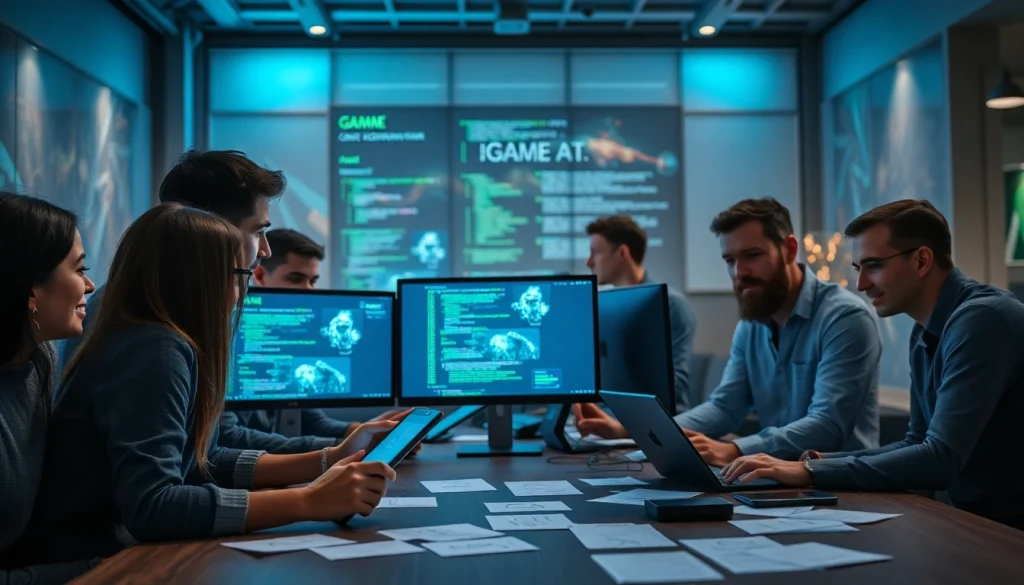
As the gaming industry continues to evolve, the integration of artificial intelligence (AI) within game development becomes increasingly vital. Game AI encompasses a wide range of technologies and methodologies that enhance player experiences, create immersive environments, and ensure dynamic interactions between characters. In this comprehensive guide, we will delve into the fundamentals of game AI, exploring its definitions, roles, and the key concepts that drive this innovative sector forward.
What is Game AI? A Modern Perspective
Game AI refers to the application of artificial intelligence techniques in video games, specifically aimed at controlling non-player characters (NPCs) and managing game dynamics. From simple patterns in older games to sophisticated decision-making algorithms, game AI’s development reflects advancements in computing and an understanding of human behaviors. Modern game AI not only dictates NPC behavior but also adapts to player interactions, creating a more engaging and responsive gaming environment.
The Role of AI in Game Development
AI plays a pivotal role in various aspects of game development, including:
- Character Behavior: AI governs how characters act, react, and interact, making each gaming experience unique.
- Difficulty Adjustment: AI systems can modify game difficulty in real-time based on player performance, ensuring an optimal challenge.
- Procedural Content Generation: AI can be used to create vast, intricate worlds without the need for manual design, enhancing replayability.
Key Concepts in Game Agent Behavior
To understand game AI, it is essential to grasp how game agents operate. Key concepts include:
- Finite State Machines (FSMs): A model that allows NPCs to change states based on player actions, providing a structured way to define behaviors.
- Behavior Trees: A hierarchical structure that helps in decision-making by controlling the flow of actions based on conditions.
- Learning Algorithms: Techniques such as Reinforcement Learning enable NPCs to learn from player interactions, improving their behavior over time.
Core Techniques in Game AI Implementation
Implementing game AI involves several core techniques that enhance gameplay and player engagement. Developers employ various algorithms and models to ensure that AI behaves in a realistic and enjoyable manner.
Pathfinding Algorithms and Navigation
Pathfinding is a critical component of game AI, enabling characters to navigate their environments efficiently. Common algorithms include:
- A* Algorithm: A popular choice due to its efficiency in finding the shortest path from point A to point B while considering obstacles.
- Dijkstra’s Algorithm: This algorithm ensures the shortest path in weighted graphs, useful in more complex terrains.
- NavMesh: A pre-calculated representation of the game world, allowing AI to navigate dynamically through various terrains.
Decision-Making Models for NPCs
For NPCs to exhibit realistic behavior, developers need to implement decision-making models. Techniques include:
- Utility Theory: This approach evaluates the desirability of different actions based on the current game state.
- Goal-Oriented Action Planning (GOAP): This model allows agents to prioritize actions based on their goals, creating dynamic interactions.
- Behavior Trees: As mentioned earlier, these trees allow for modular and maintainable AI behaviors, offering flexibility in design.
Integrating Machine Learning for Dynamic Gameplay
Machine learning techniques are increasingly being explored for game AI, offering opportunities for dynamic and adaptive gameplay. For instance:
- Reinforcement Learning: NPCs can learn optimal actions through trial and error, improving their responses to player actions.
- Neural Networks: They can be used to model complex behaviors and even predict player actions, enhancing the interactivity of the game.
Real-World Applications and Case Studies
Many successful games demonstrate the effective application of AI technologies. Understanding these implementations can provide valuable insights for developers.
Successful Game AI Implementations in Popular Titles
Several titles have set benchmarks in leveraging game AI:
- The Last of Us: Showcases highly realistic NPC behaviors driven by advanced AI techniques that mimic emotional responses.
- Middle-Earth: Shadow of Mordor: Features a unique Nemesis system that remembers player interactions with NPCs, creating personalized storylines.
- Forza Horizon: Employs AI to dynamically adjust in-game traffic and weather conditions, significantly enhancing the realism of the racing experience.
Learning from AI Mistakes in Game Development
Despite successes, some implementations showcase pitfalls in AI development:
- AI Predictability: Games like Skyrim faced criticism for predictable NPC behavior, reducing engagement.
- Unintended Consequences: In SimCity, AI-controlled cities behaved in ways that frustrated players, highlighting the importance of well-designed algorithms.
Impact of Game AI on Player Experience
The integration of effective AI significantly enhances player experiences by:
- Creating rich narratives that adapt based on player choices.
- Providing intelligent adversaries that challenge players without overwhelming them.
- Facilitating immersive environments that respond to player actions, enhancing the overall emotional engagement with the game.
Future Trends in Game AI for 2025 and Beyond
The landscape of game AI is rapidly evolving, shaped by emerging technologies and the growing complexity of games. As we look to 2025, several trends are predicted to reshape the industry.
Emerging AI Technologies Shaping the Industry
Key trends include:
- Increased Use of Cloud Computing: This technology allows for more powerful AI computations, enabling richer gaming experiences.
- AI-Driven Personalization: Tailoring game experiences to individual players will become more refined, enhancing engagement and satisfaction.
- Integration of Augmented Reality (AR): AI will facilitate more immersive AR experiences, changing how players interact with game worlds.
Predictions for Game AI Breakthroughs
Experts anticipate breakthrough advancements such as:
- Self-Learning NPCs: Characters that can learn and adapt from player interactions on a deeper level than currently possible.
- Advanced Emotional AI: Enhancing character interactions to reflect emotional intelligence, creating more compelling narratives.
- Cross-Game AI Mechanics: Systems that allow skills and behaviors to transfer between different games, fostering a unified gaming experience.
The Ethical Considerations of Game AI Development
As game AI becomes more sophisticated, ethical concerns emerge, including:
- Player Data Privacy: Balancing personalized experiences while respecting user data privacy.
- AI Bias: Ensuring that AI systems do not inadvertently reinforce stereotypes or unfair biases.
- Impact on Employment: As AI automates certain development processes, the implications for game development jobs must be carefully considered.
Resources and Best Practices for Game Developers
For developers looking to enhance their game AI skills and projects, numerous resources and best practices can support their journey.
Top Tools and Frameworks for Game AI Development
Several platforms and frameworks offer robust support for game AI development:
- Unity ML-Agents: A toolkit for integrating machine learning into Unity games.
- TensorFlow: Useful for developing complex models for game AI through deep learning.
- Behavior Designer: A behavior tree solution for Unity, helping implement complex NPC behaviors.
Continuing Education and Learning Resources
Staying current in game AI requires ongoing education. Resources include:
- Online Courses: Platforms like Coursera and Udacity offer courses on AI and game development.
- Books: Titles such as “Artificial Intelligence for Games” provide foundational and advanced knowledge on game AI.
- Webinars and Workshops: Many industry experts share insights through live sessions and recorded content.
Building a Game AI Community: Networking and Collaboration
Connecting with other developers can lead to valuable collaborations and insights. Consider engaging in:
- Online Forums: Platforms like Reddit and specialized game development communities can offer advice and feedback.
- Meetups and Conferences: Industry events provide opportunities to learn from experts and network with peers.
- Collaborative Projects: Working with other developers can enhance your skills and broaden your perspective on game AI.
As the field of game ai continues to grow, embracing these trends and tools will be essential for developers looking to stay ahead in the competitive gaming landscape. By understanding the fundamentals, applying core techniques, and exploring future trends, developers can create engaging and innovative gaming experiences that captivate audiences for years to come.