Effortless Solutions for Free Computer Disposal Near Me
Understanding Free Computer Disposal Options
Identifying E-Waste and Its Importance
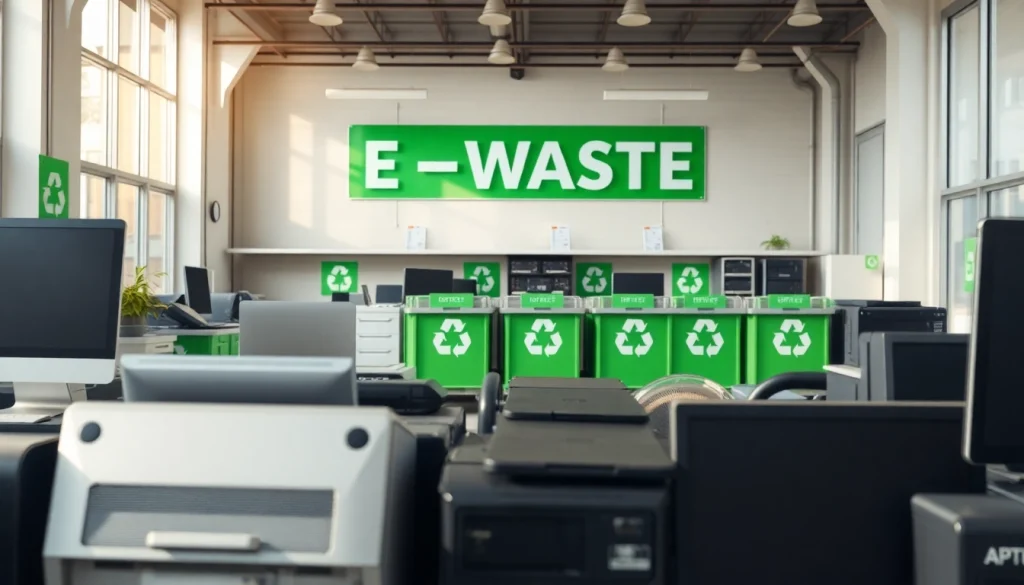
As technology continues to progress at a rapid pace, the amount of electronic waste, or e-waste, generated worldwide is reaching staggering levels. E-waste refers to discarded electronic devices including computers, laptops, monitors, and mobile phones. According to estimates, approximately 50 million tons of e-waste are produced globally each year, much of which ends up improperly disposed of, posing significant environmental and health risks.
Understanding what constitutes e-waste and the implications of its disposal is crucial. The materials found in electronic devices can be detrimental to the environment. For instance, heavy metals like lead and mercury can leach into soil and water, causing long-term damage to ecosystems and public health. Hence, responsible e-waste disposal is not just a matter of convenience but a necessity. Fortunately, options for free computer disposal near me are becoming increasingly accessible, allowing individuals and businesses to recycle these devices responsibly.
What Constitutes Free Computer Disposal Near Me?
When discussing free computer disposal, it is essential to recognize the various services and options available. Free disposal typically refers to the ability to dispose of old computers and electronics at no cost. This may be offered by local government initiatives, nonprofit organizations, or specific businesses dedicated to recycling.
For a service to be classified as “free,” it should include options such as:
- Drop-off centers where individuals can leave their unwanted electronics.
- Scheduled pick-up services for larger items like desktops and monitors.
- Special events organized periodically to collect e-waste from the community.
Utilizing these services not only helps declutter spaces but also ensures that waste is processed correctly, preventing environmental contamination.
Common Misunderstandings About Computer Recycling
Despite the growing awareness around e-waste, there are still significant misconceptions surrounding computer recycling and disposal. Some of the most prevalent myths include:
- All e-waste is safe to throw in the trash: Many people believe that simply discarding old electronics in regular trash is acceptable. However, this can lead to hazardous materials polluting landfills.
- Recycling electronics is too complicated: While many are unfamiliar with the process, numerous local resources simplify recycling through easy-to-navigate programs.
- Only newer technology can be recycled: Almost any electronic device can be recycled, regardless of its age or condition, including outdated models.
Clarifying these misunderstandings is essential in encouraging more people to participate in responsible disposal efforts.
Benefits of Proper Computer Disposal
Environmental Impact of E-Waste
The environmental benefits of proper computer disposal cannot be overstated. Each electronic device contains a variety of materials that can be harmful if not processed correctly. Recycling helps recover valuable metals like gold, copper, and aluminum while also minimizing the extraction of new raw materials. For instance, recycling just one million laptops can prevent the release of:
- Approximately 1,000 kilograms of gold.
- About 500,000 kilograms of copper.
- Close to 10 million kilograms of carbon dioxide emissions.
Furthermore, responsible recycling practices help minimize landfill waste and reduce the volume of non-biodegradable materials taking up space in our environment.
Legal Aspects and Compliance with Disposal Regulations
Proper computer disposal is not just an ethical choice but often a legal requirement. Various laws govern electronic waste disposal aimed at protecting the environment and public health. For example, the Resource Conservation and Recovery Act (RCRA) regulates hazardous waste management, which applies to many components found in electronics.
Failing to comply with these regulations can result in hefty fines and legal consequences. Many local governments encourage compliance through public education campaigns. Knowing and understanding these requirements is vital to ensure that your disposal practices align with current laws.
Protecting Your Personal Data During Disposal
One of the primary concerns regarding computer disposal is safeguarding personal data. Statistics indicate that over 80% of individuals do not effectively erase sensitive information from their devices before disposal. Before you consider disposing of your computer, make sure to:
- Use reputable data wiping software that meets industry standards.
- Remove hard drives and keep them for physical destruction if necessary.
- Consider factory resetting devices where applicable, although this is not foolproof.
By adhering to these practices, you can protect your identity and sensitive information from falling into the wrong hands.
How to Find Free Computer Disposal Near Me
Using Online Resources and Local Directories
Finding free computer disposal options nearby can be made simple through various online resources. Local government websites often provide information on scheduled e-waste collection days and drop-off sites. In addition, directories focused on sustainability and recycling can offer other useful information.
Popular platforms include:
- Local government websites for waste management information.
- Community forums or social media groups where members share recommendations.
- Specialized recycling directories that help locate nearby facilities.
Utilizing these resources can ensure you find a convenient and reliable disposal option.
Community Programs and Government Initiatives
Many communities have robust programs aimed specifically at electronic waste management. Government initiatives often include:
- Household hazardous waste collection events that accept e-waste.
- Partnerships with local charities for e-waste pickup.
- Educational outreach on the importance of recycling electronics.
Participating in these initiatives not only provides efficient disposal solutions but also engages communities in sustainability efforts.
Creating a Network of Disposal Services
Developing a network of local disposal services can create a streamlined approach to e-waste management. Establishing connections with local charities, schools, or community organizations can encourage more collaborative efforts in electronics recycling. Setting up a neighborhood program can also involve:
- Organizing community drop-off days for collecting e-waste.
- Promoting educational sessions on e-waste disposal.
- Forming partnerships with local recycling companies for special deals.
This network enhances accessibility and encourages collective responsibility towards e-waste disposal.
Best Practices for E-Waste Recycling
Preparing Your Electronics for Recycling
Before recycling your electronics, several preparatory steps can help ensure a smooth process. Start by:
- Gathering all devices that need disposal, including accessories.
- Documenting the condition of each device, whether working or not.
- Removing any personal items or accessories associated with the electronics.
These steps help reduce potential complications and streamline the recycling process.
Identifying Reputable Drop-Off Locations
Identifying reputable drop-off locations is essential to ensure proper disposal. To find trustworthy recycling centers, consider the following:
- Research facilities that hold certifications for e-waste recycling.
- Look for facilities that provide transparency in their recycling processes.
- Read reviews to gauge the experiences of other users.
By choosing reputable centers, you ensure that your devices are handled responsibly and safely.
Understanding Disposal Events in Your Area
Participating in scheduled disposal events is an effective way to recycle e-waste. Many communities host these events regularly. To stay informed:
- Subscribe to newsletters from local environmental agencies.
- Follow community pages on social media for event announcements.
- Check with local stores that regularly organize e-waste collection days.
These events often provide additional resources such as educational materials on e-waste impacts.
Frequently Asked Questions
What types of electronics can be disposed of for free?
Free disposal options typically include computers, monitors, laptops, mobile phones, and often televisions. Detailing what can be disposed of ensures clearing up confusion.
How do I safely erase my data before disposal?
To protect personal data, use data wiping software to securely erase files or physically destroy the hard drive. This ensures sensitive information cannot be recovered.
Are there pickup options available for large electronics?
Many municipalities and services offer free pickup options for large electronics, usually requiring scheduling in advance. This facilitation helps make the process more convenient.
What should I do if I can’t find a local disposal service?
If local services are unavailable, reach out to municipal waste management departments for advice. They can provide options for e-waste disposal within your area.
How often are e-waste recycling events held?
Typically, communities organize e-waste events at least annually, but schedules can vary. Keep an eye on local resources for specific dates and times.