
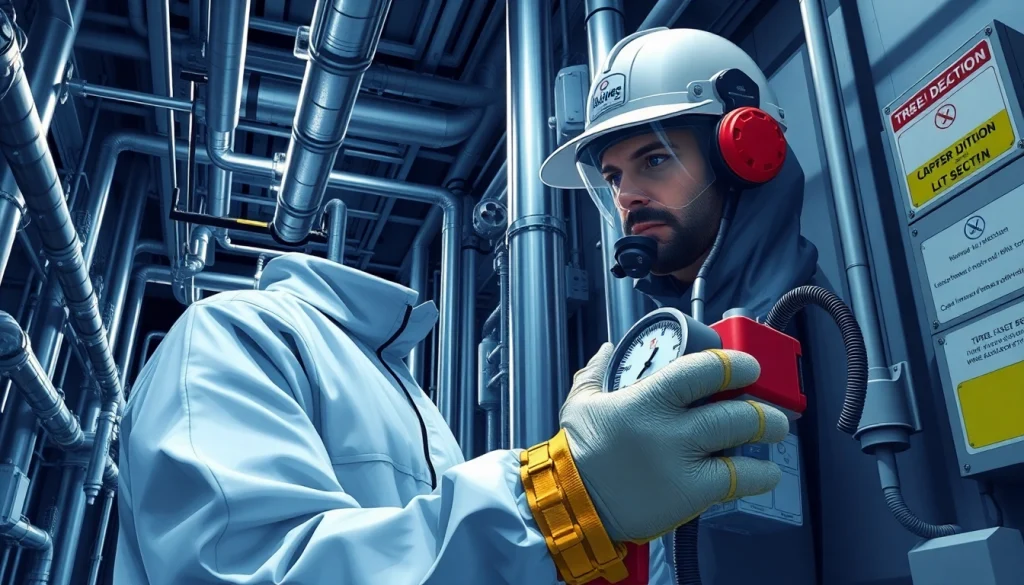
Understanding Tracer Gas Leak Detection Techniques
What is Tracer Gas Leak Detection?
Tracer gas leak detection is a highly effective method utilized to identify gas leaks in various systems. This technique involves the use of a tracer gas, typically helium or hydrogen, which is injected into the area suspected of having a leak. Given the small molecular size of these gases, they can easily escape through small openings that other gases may not, making them ideal for pinpointing leaks with high sensitivity.
When performing tracer gas leak detection, technicians will monitor specific areas using specialized equipment designed to detect these gases at extremely low concentrations. By analyzing the data collected during the testing process, professionals can accurately locate the source of the leak, ensuring prompt repairs and minimizing the potential for hazardous leaks to go undetected.
This approach has found widespread application across industries, from HVAC to plumbing, due to its non-invasive nature and high reliability. For detailed insights on the methodology, you can explore the Tracer Gas Leak Detection processes.
Common Applications of Tracer Gas Leak Detection
Tracer gas leak detection has a variety of applications across different sectors:
- Building Inspections: Used to identify leaks in HVAC systems, ensuring energy efficiency and safety.
- Pipeline Testing: Essential for detecting leaks in gas and oil pipelines, which may pose significant environmental risks.
- Water System Analysis: Helps in locating leaks in underground water pipes, reducing water loss and repair costs.
- Automotive Industry: Tracer gases can assist in testing the integrity of fuel and emission systems, promoting vehicle safety.
- Food and Beverage: Ensures the integrity of packaging, detecting leaks that could compromise product quality.
The versatility of tracer gas leak detection makes it a crucial technique in maintaining the integrity and safety of various systems, reducing the risks associated with undetected leaks that could result in environmental damage or safety hazards.
Advantages of Using Tracer Gas in Detection
Utilizing tracer gases in leak detection comes with a host of advantages:
- High Sensitivity: Tracer gases can be detected at very low concentrations, making them suitable for identifying even the smallest leaks.
- Speed and Efficiency: The process can be completed quickly, often in a matter of minutes, enabling rapid response to potential issues.
- Non-destructive Testing: This method does not damage the existing structures, unlike some traditional leak detection techniques.
- Versatility: Applicable to a broad range of materials and systems, making it valuable across several industries.
- Environmental Safety: Many tracer gases used, such as helium, are non-toxic and environmentally friendly, posing little risk during the detection process.
These advantages underscore why tracer gas leak detection has become a go-to method for professionals seeking effective leak identification solutions.
Essential Tools for Tracer Gas Leak Detection
Key Equipment and Their Functions
Effective tracer gas leak detection relies on specialized equipment designed to handle the precise monitoring and measurement of tracer gases. Key tools in this process include:
- Gas Analyzers: Devices that detect specific tracer gases, indicating their presence and concentration levels.
- Tracer Gas Injection Systems: Equipment used to inject tracer gases into the test environment under controlled conditions.
- Detection Probes: Sensitive probes that can detect minute concentrations of gases, essential for locating leaks accurately.
- Data Logging Systems: These systems record the detection data in real time, providing valuable information for analysis post-testing.
Having the right equipment is vital for the success of a tracer gas leak detection operation. Professionals should invest in high-quality tools that offer reliability and accuracy.
How to Choose the Right Detection Device
Selecting the appropriate detection device is crucial for effective tracer gas leak detection. Consider the following factors:
- Gas Type: Ensure the device can effectively detect the specific tracer gas being used (e.g., helium, hydrogen).
- Sensitivity Levels: Opt for devices that can detect low concentrations, as this will enhance the accuracy of leak detection.
- Calibration: Choose equipment that is easy to calibrate and maintain, ensuring continued reliable performance over time.
- Portability: For fieldwork applications, compact and portable detectors can enhance accessibility and ease of use.
- Cost vs. Functionality: Evaluate the price against the features offered to ensure you’re getting a device that meets your needs without overspending.
Prioritizing these factors will help ensure that the selected device aligns with the specific needs of the leak detection operation, ultimately improving accuracy and efficiency.
Safety Protocols for Using Detection Tools
When conducting tracer gas leak detection, safety should always come first. Here are some essential safety protocols:
- Proper Training: Ensure that all personnel handling detection equipment are properly trained in both usage and safety procedures.
- Personal Protective Equipment (PPE): Use appropriate PPE such as gloves and safety goggles, particularly when handling gases or working in confined spaces.
- Ventilation: Always work in well-ventilated areas to prevent the buildup of gases which could pose a risk of suffocation or explosion.
- Check Equipment: Regularly inspect and maintain detection devices to ensure they function correctly and safely before use.
- Emergency Protocols: Establish clear protocols for emergency situations, including procedures for evacuating the area and addressing potential gas leaks.
Implementing these safety measures is essential for protecting workers and ensuring safe leak detection operations.
Step-by-Step Process of Tracer Gas Leak Detection
Preparation and Setup for Effective Detection
Proper preparation and setup are crucial steps in ensuring successful tracer gas leak detection:
- Site Assessment: Conduct a thorough assessment of the area to identify potential leak points and plan the injection points for the tracer gas.
- Equipment Check: Verify that all detection and injection equipment is functioning correctly and calibrated before starting.
- Sealing Areas: If necessary, seal areas where leaks are suspected to prevent atmospheric interference with the detection process.
- Inform Stakeholders: Notify all relevant personnel about the detection process to ensure everyone’s safety and cooperation.
Taking the time to prepare adequately can greatly enhance the efficiency and effectiveness of the leak detection procedure.
Executing the Leak Detection Procedure
Once preparation is complete, follow this process to execute the tracer gas leak detection effectively:
- Inject Tracer Gas: Introduce the tracer gas into the identified areas, ensuring that it permeates structures where leaks may exist.
- Monitor for Gas Detection: Use gas analyzers and probes to monitor for the presence of tracer gas in the surrounding environment, especially at identified potential leak points.
- Record Data: Keep detailed notes on gas concentrations and any findings, as this data will be crucial for analysis.
- Analyze Results: Review collected data to determine the presence and severity of any leaks detected.
Executing the detection process with attention to detail will facilitate accurate results that inform necessary repairs or adjustments.
Interpreting Results from Tracer Gas Tests
Once the detection procedure concludes, interpreting the results is vital for assessing the situation:
- Understand Concentration Levels: Higher concentrations of tracer gas at specific points indicate potential leaks, while lower levels may suggest minor issues.
- Contextual Evaluation: Analyze results in the context of suspected leak areas and the overall integrity of the system being tested.
- Document Findings: Create a report that outlines the findings, including locations, gas concentrations, and recommended actions.
A thorough interpretation of results allows for a clearer understanding of the system’s status and necessary actions to mitigate any identified risks.
Common Challenges in Tracer Gas Leak Detection
Identifying False Positives in Detection Results
One significant challenge in tracer gas leak detection is the occurrence of false positives, where the detection equipment indicates the presence of a leak when none exists. Common causes and remedies for this issue include:
- Environmental Factors: External factors such as changes in temperature or other gases can interfere with detection equipment. Conducting tests in controlled environments can help mitigate this issue.
- Calibration Issues: Ensure that detection devices are properly calibrated and maintained to prevent erroneous readings. Regular servicing of equipment is essential.
- Cross-contamination: Avoid testing in areas with multiple gas sources to reduce the risk of confusion when interpreting results.
By understanding and addressing these potential causes, professionals can enhance the accuracy of their leak detection efforts.
Dealing with Environmental Interference
Environmental conditions can heavily impact tracer gas leak detection efficiency. Some challenges include:
- Weather Conditions: Wind and rain can disperse tracer gases, making it difficult to detect leaks accurately. When possible, perform tests in favorable weather conditions.
- Nearby Equipment: Avoid conducting tests near other machinery or sources of gas emissions, which could contaminate readings and complicate results.
- High Foot Traffic: Ensure that testing areas are secured to prevent people from inadvertently affecting results by releasing or moving gases.
Implementing strategies to minimize these environmental interferences can help protect the integrity of test results.
Mitigating Safety Risks During Detection
Safety risks can arise during tracer gas leak detection, particularly when working with potentially hazardous gases. To address these risks:
- Continuous Monitoring: Implement a continuous monitoring system to detect gas levels and provide alerts if concentrations exceed safe limits.
- Emergency Plans: Establish and communicate clear emergency plans to all team members in case of accidental gas release or detection.
- Training: Provide regular safety training and drills to ensure the team is well-prepared for any potential incidents.
Prioritizing safety not only protects personnel but also fosters a proactive approach to managing potential leak detection risks.
Future Trends in Tracer Gas Leak Detection
Innovations in Leak Detection Technologies
The field of leak detection technology is rapidly evolving, with innovations aimed at enhancing the effectiveness and efficiency of tracer gas applications. Some notable trends include:
- Data Analytics: The integration of advanced data analytics enables more precise interpretation of leak detection results, streamlining response strategies.
- Wireless Technology: The development of wireless detection devices allows for remote monitoring and automated alerts, improving overall response times.
- AI and Machine Learning: These technologies are being increasingly utilized to predict leakage events and enhance preventative measures.
Staying abreast of these advancements can position businesses at the forefront of leak detection capabilities.
Regulatory Changes Affecting Leak Detection
Regulatory frameworks surrounding gas leak detection are continuously evolving. Companies must stay informed about changes that could mandate updated leak detection protocols, such as:
- Increased Reporting Requirements: Regulatory bodies may enforce stricter reporting guidelines following leak detection, necessitating robust documentation practices.
- Standardization: As industries adopt standardized practices for leak detection, businesses will need to ensure compliance to maintain operational licensure.
- Environmental Regulations: Stricter environmental protection policies may require companies to enhance their leak detection methods to minimize environmental impact.
Proactively adapting to these regulatory changes will not only bolster compliance but also foster a sustainable operational approach.
Preparing for the Future of Tracer Gas Leak Detection
To remain competitive and effective in the ever-evolving landscape of tracer gas leak detection, companies should consider:
- Investing in Training: Continuous education and training programs keep personnel updated on best practices and new technologies.
- Adopting Advanced Technologies: Staying ahead of technological advancements will ensure that enterprises can conduct effective leak detection processes.
- Building Collaborative Partnerships: Collaborating with experts and academic institutions can foster innovative approaches and solutions for leak detection challenges.
By engaging in these proactive steps, organizations can better navigate the complexities of leak detection while enhancing overall safety and efficiency.