Understanding the Role of Bodyguard Private Security: Essential Insights and Strategies
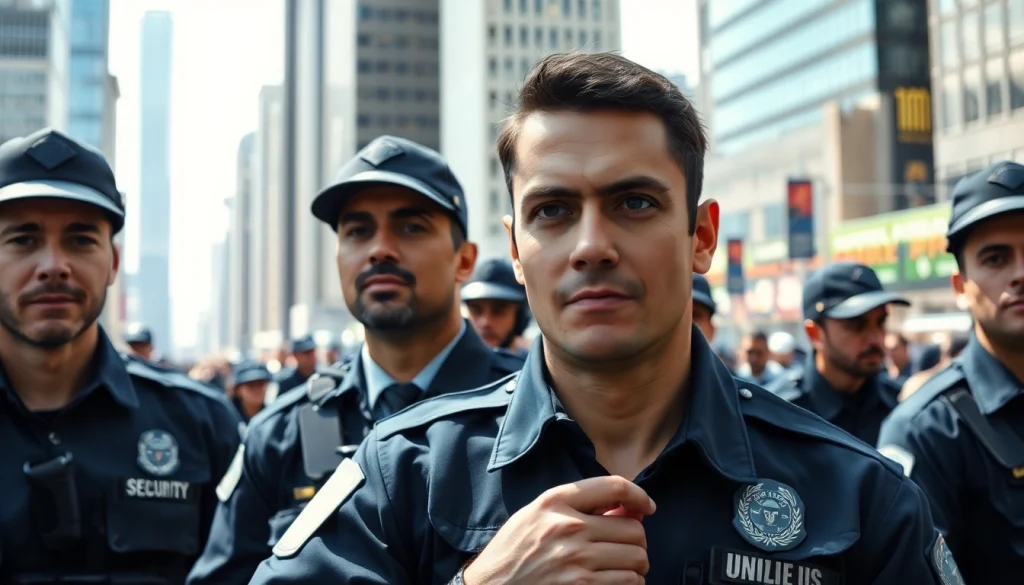
Introduction to Bodyguard Private Security
In an unpredictable world where safety is paramount, the importance of bodyguard private security cannot be overstated. Personal security services have evolved from a niche offering to an essential aspect of modern life for many individuals, especially those in the public eye. This article delves into the realm of bodyguard private security, discussing its significance, various types of services, and the essential qualities that make bodyguards effective protectors.
What is Bodyguard Private Security?
Bodyguard private security refers to a range of services that provide personal protection to individuals who may face risks or threats. This can include high-profile individuals such as celebrities, politicians, executives, or anyone who may feel vulnerable due to fame, public status, or specific threats. Such services are executed by trained professionals who assess potential risks and formulate strategies to ensure the safety of their clients.
Importance of Personal Safety
Personal safety is a fundamental human right, yet various factors such as social status, occupation, and location can heighten the risk of threats. The presence of a bodyguard enhances personal safety, allowing individuals to focus on their daily lives without the looming anxiety of potential danger. In recent years, the rise of social media has also contributed to the emergence of new threats, making personal security an even more pressing concern.
Types of Bodyguard Services
Bodyguard private security services can vary widely based on clients’ needs, with several types of services available:
- Executive Protection: Focused on safeguarding high-profile individuals, typically executives or dignitaries, during public appearances and travel.
- Residential Security: Involves securing private residences, employing both personnel and technology to protect they dwellings and their occupants.
- Close Protection: Providing real-time protection in proximity to the client, often during high-risk situations such as events.
- Threat Assessment: Evaluating potential risks through detailed assessments to devise a strategy for minimizing threats.
Key Qualities of Effective Bodyguards
Physical Fitness and Training
Effective bodyguards must maintain high physical fitness levels. This is not only crucial for performing their duties—such as escorting clients, reacting quickly to threats, or in the event of an emergency—but also for projecting confidence and strength. Regular training in self-defense, combat techniques, and physical conditioning can make all the difference in ensuring a security professional is well-prepared for any situation.
Situational Awareness Skills
An exceptional bodyguard possesses acute situational awareness. This involves recognizing potential threats in the environment and assessing risk factors quickly. Bodyguards must be trained to observe surroundings continuously, identify any suspicious behavior, and anticipate possible complications well before they escalate into real threats.
Professionalism and Discretion
Professionalism is a core tenet for bodyguards. Clients expect their representatives to conduct themselves with utmost discretion and to respect privacy. A bodyguard’s ability to maintain a low profile, while still being vigilant and effective, is crucial. This means using subdued communication when necessary and fostering a level of trust with clients that ensures their comfort and security.
Bodyguard Private Security Strategies
Risk Assessment Techniques
Understanding potential risks is foundational for any bodyguard service. Risk assessment involves identifying threats, vulnerabilities, and the likelihood of an incident occurring. Bodyguards typically analyze various factors such as location, client profile, known adversaries, and environmental risks to formulate a comprehensive protection plan. Regular assessments must be conducted to adjust security protocols as required.
Planning and Coordination
Effective bodyguard private security relies heavily on thorough planning and coordination before an event or public appearance. This can include route planning, identification of venues with security measures, and communication with local law enforcement if necessary. A well-coordinated strategy ensures that every aspect of the client’s security is accounted for and that bodyguards can respond to any threat rapidly and decisively.
Emergency Response Protocols
Even the best planning cannot guarantee that incidents will not occur; therefore, emergency response protocols are vital. Bodyguards should have clear and practiced responses to various potential crises, whether it’s a medical emergency or a more dangerous situation. Establishing clear procedures ensures rapid and appropriate reactions to protect the client effectively, minimizing risk and safety concerns.
Regulations and Legal Aspects
Licensing Requirements for Bodyguards
In many regions, laws require bodyguards to obtain specific licenses, which often necessitate comprehensive background checks, training certifications, and adherence to jurisdiction-specific guidelines. Understanding and complying with local laws is essential for bodyguards to provide legal and professional services. Licensing not only ensures accountability but also enhances the credibility of the security personnel.
Legal Limitations of Security Personnel
Bodyguards must familiarize themselves with the legal limits of their authority. For instance, they may not be allowed to carry firearms or use force unless absolutely necessary for self-defense or client protection. This understanding helps ensure that they operate within the confines of the law and avoid any potential legal repercussions during their duties.
Local Laws and Best Practices
Beyond licensing, bodyguards must stay informed about local laws and best practices that impact their operations. These may include local ordinances on street conduct, firearm regulations, and privacy laws that govern surveillance. Keeping abreast of changes in legislation is essential for the continued efficacy of bodyguard services. This knowledge not only protects clients but also serves to protect the bodyguards themselves from legal challenges.
Frequently Asked Questions (FAQs)
What qualifications should a bodyguard have?
A bodyguard should be trained in self-defense, first aid, and have strong communication skills. Professional certifications enhance credibility.
How much does bodyguard private security cost?
Costs vary based on services, experience, and location, ranging from $25 to $150 per hour for standard protection.
When should I hire bodyguard private security?
Consider hiring when facing threats, attending high-risk events, or traveling to volatile locations for enhanced safety.
What kind of training do bodyguards receive?
Bodyguards typically train in self-defense, threat assessment, emergency response, and often specialize in firearms handling.
Do bodyguards require licenses?
Yes, most regions require bodyguards to hold a license, which often includes background checks and specific training certifications.